5 bedrooms
6 bathrooms
AC
Private Pool
Hillside
Carissa Villa
Mustique
St. Vincent & the Grenadines
Fantastic location
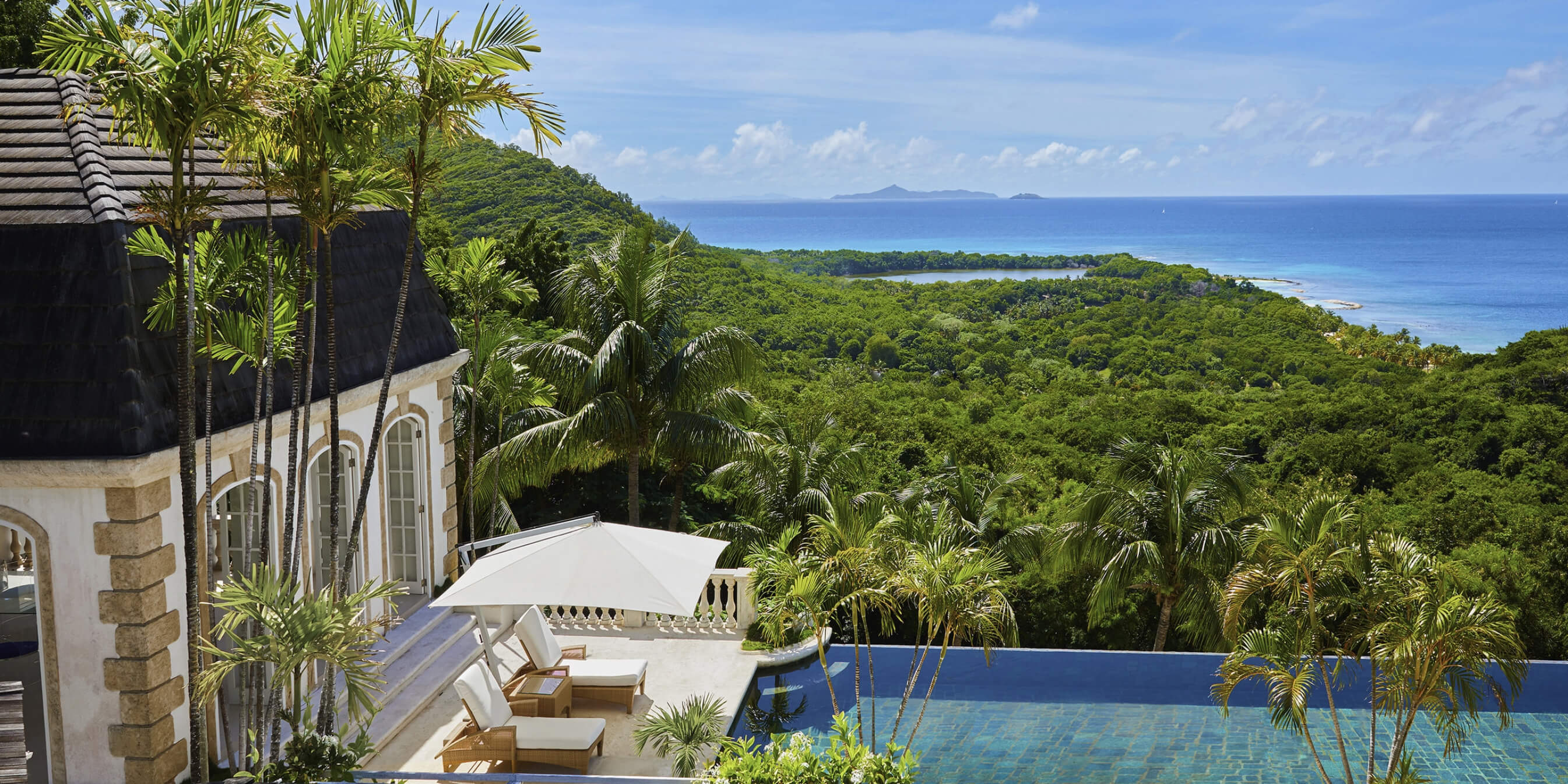
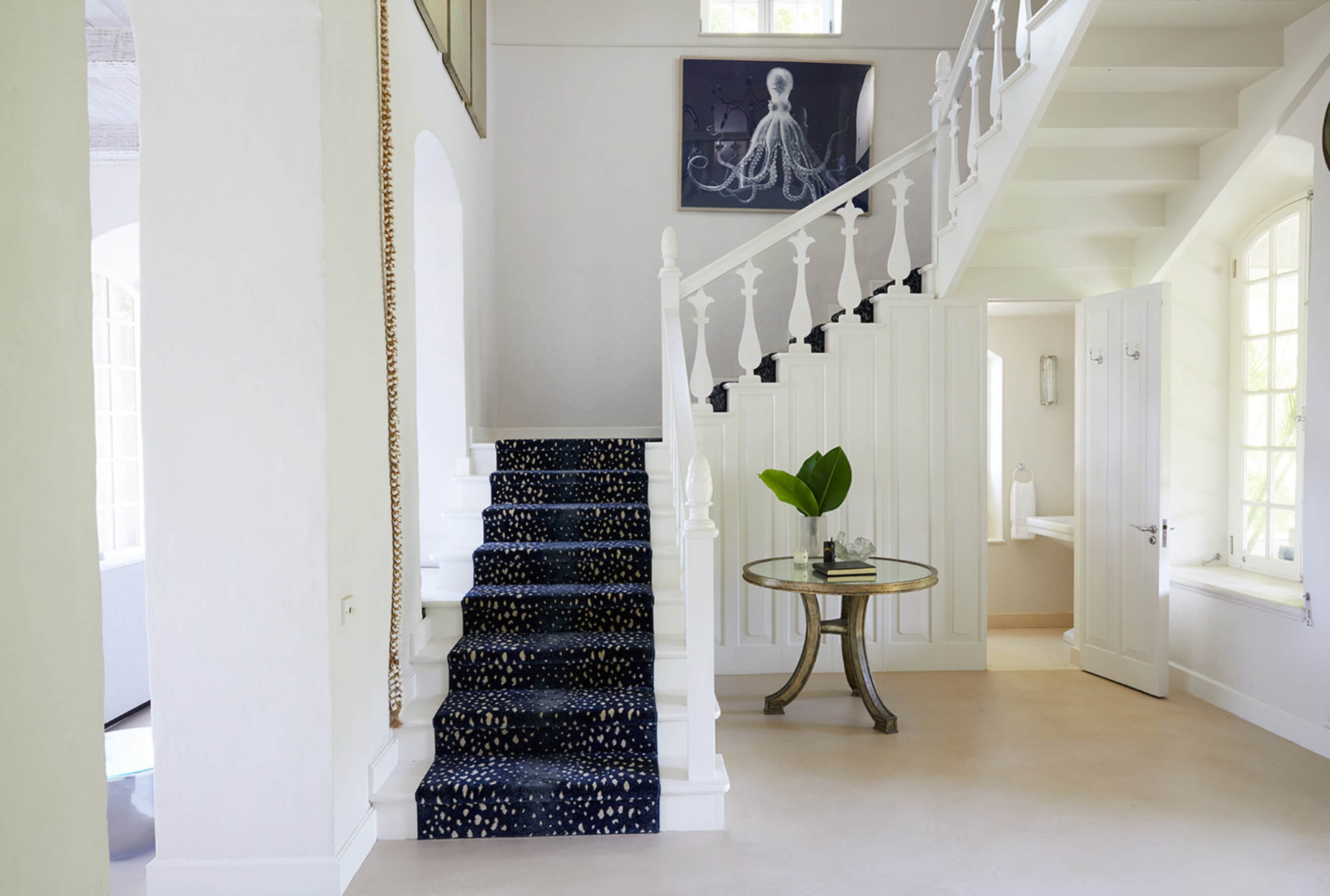
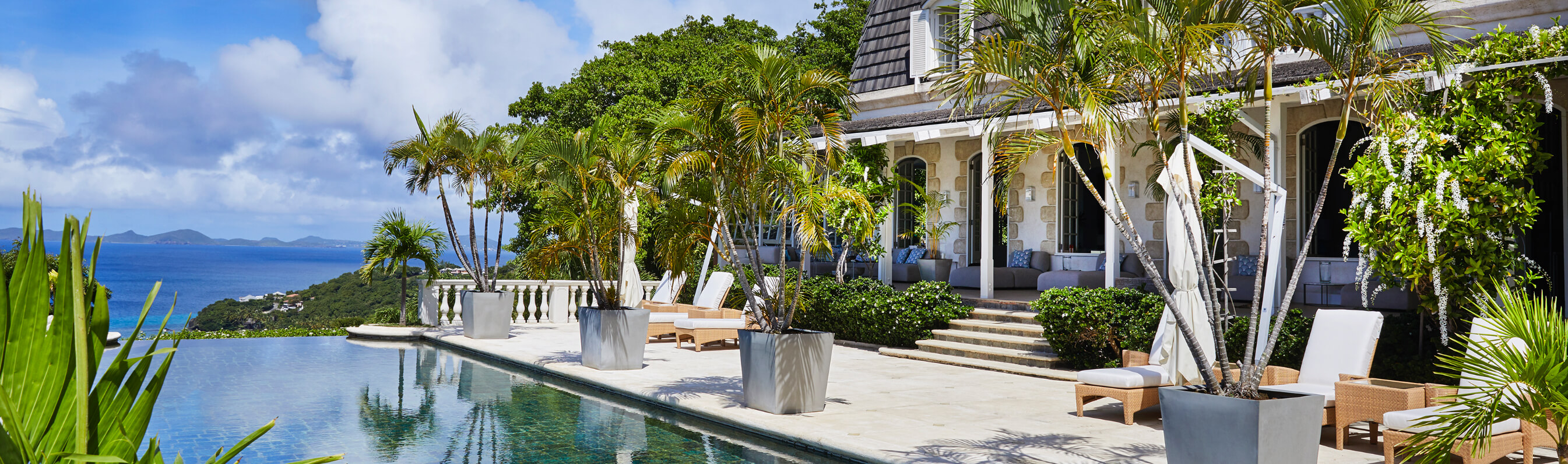
Carissa is a stunning luxury villa on the exclusive island of Mustique. The
last home of the late renowned architect Arne Hasslequist, Carissa is
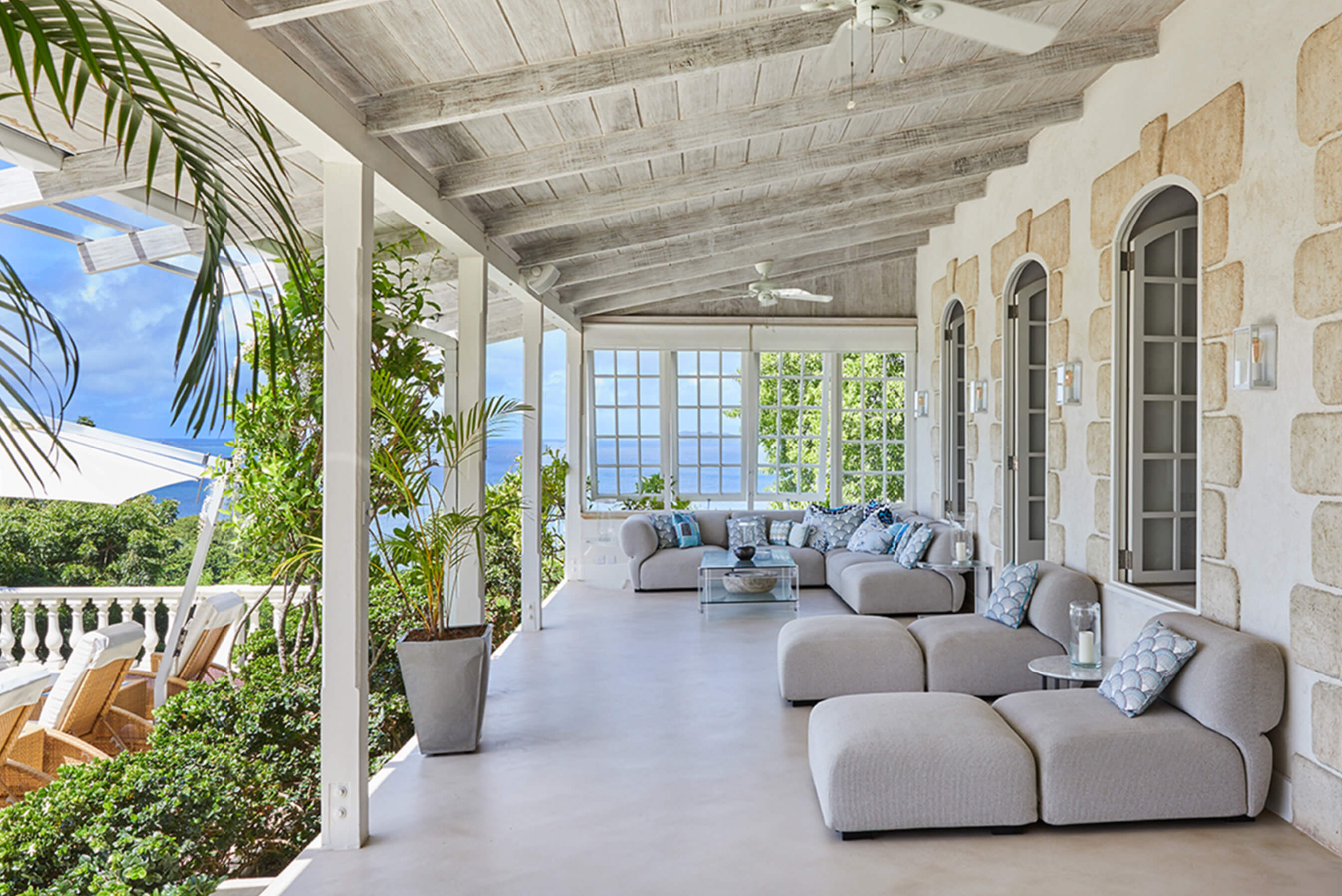
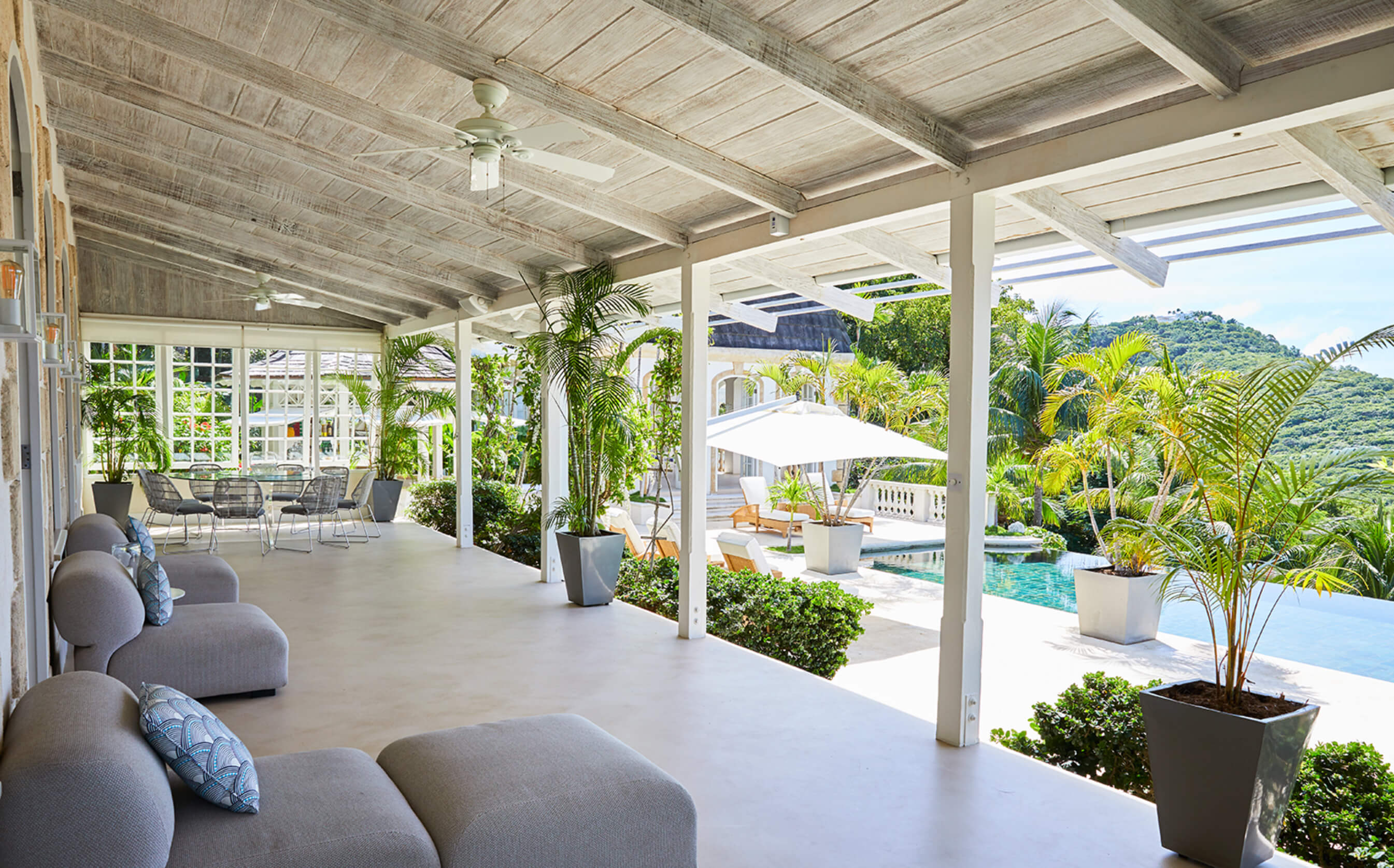
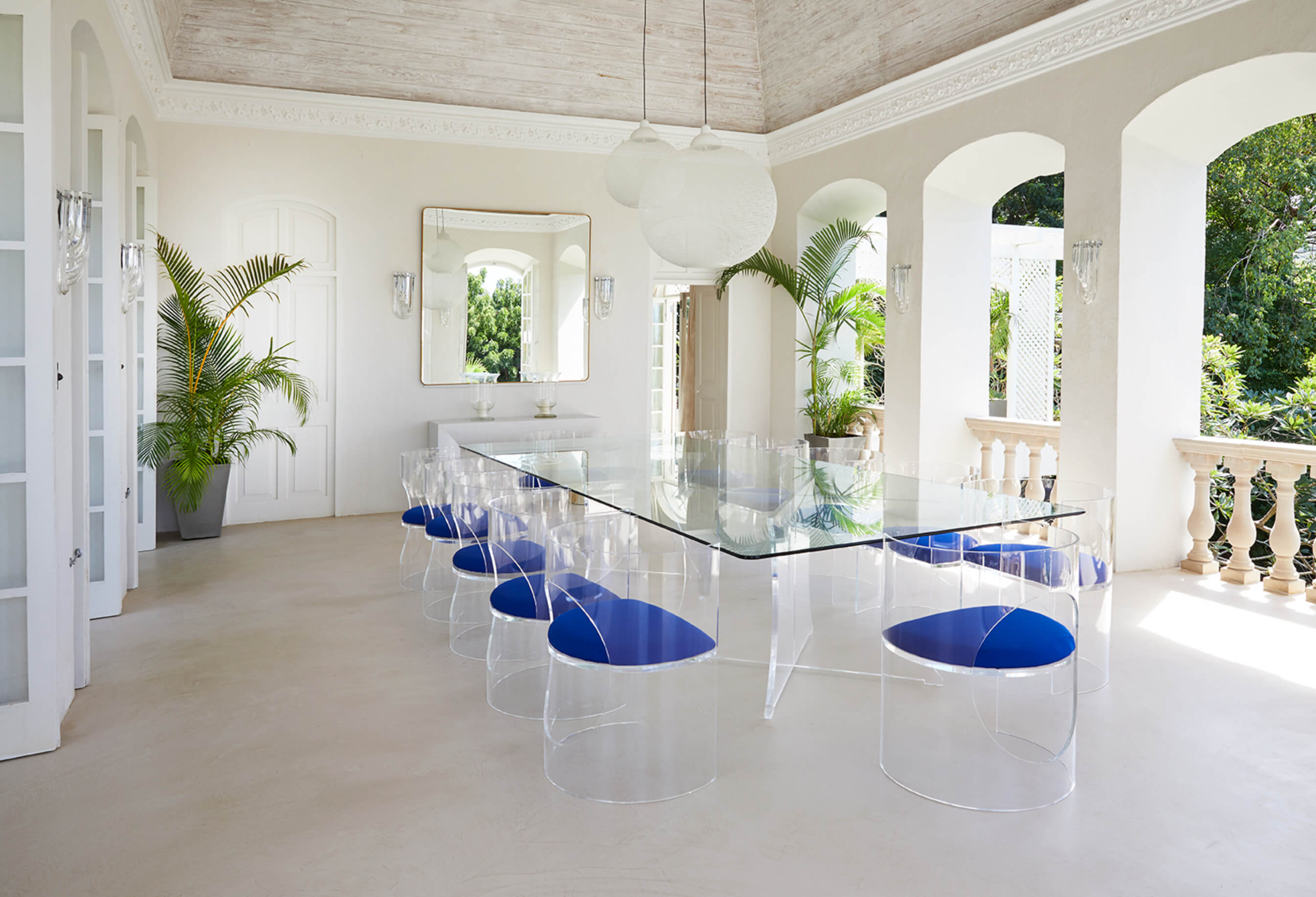
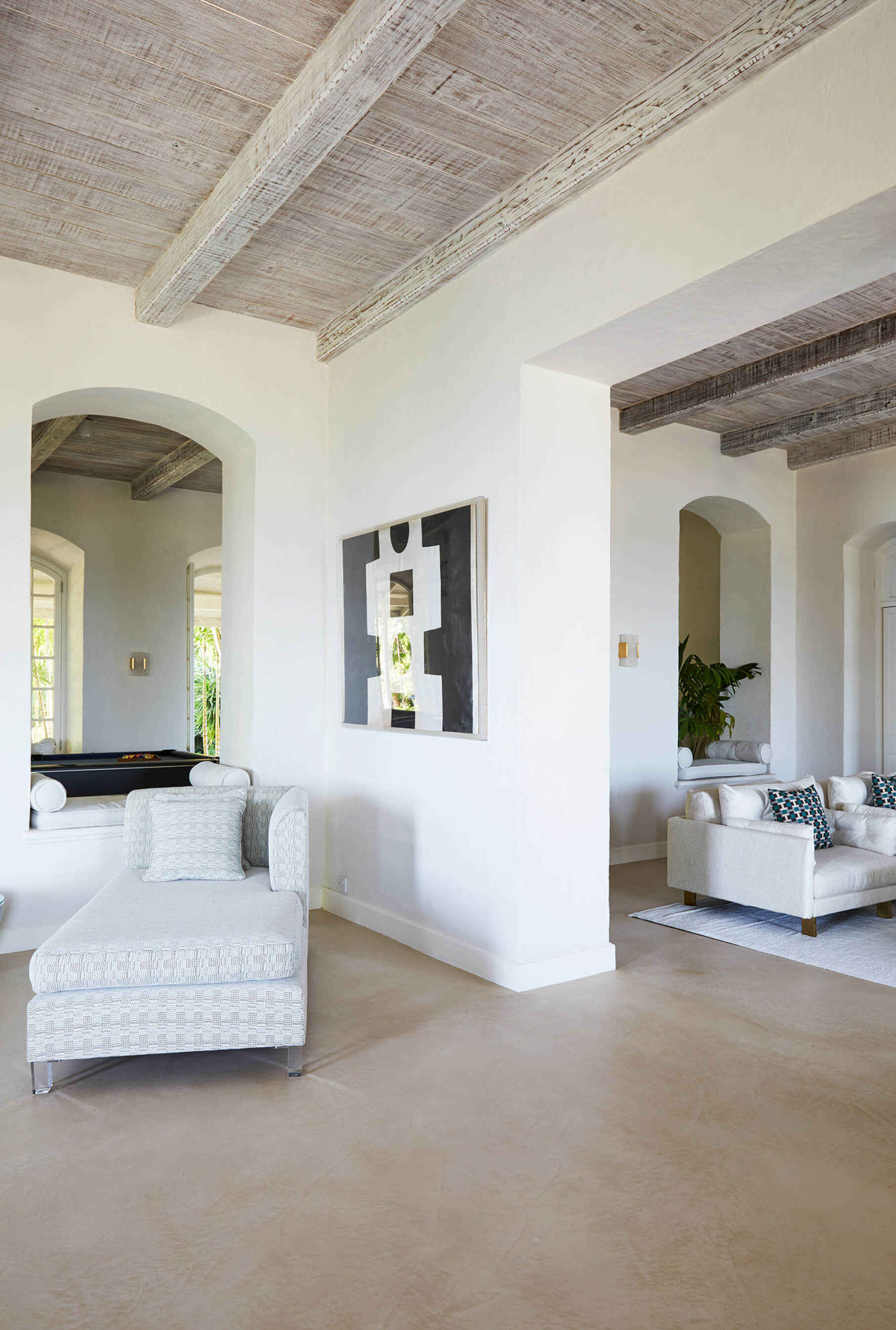
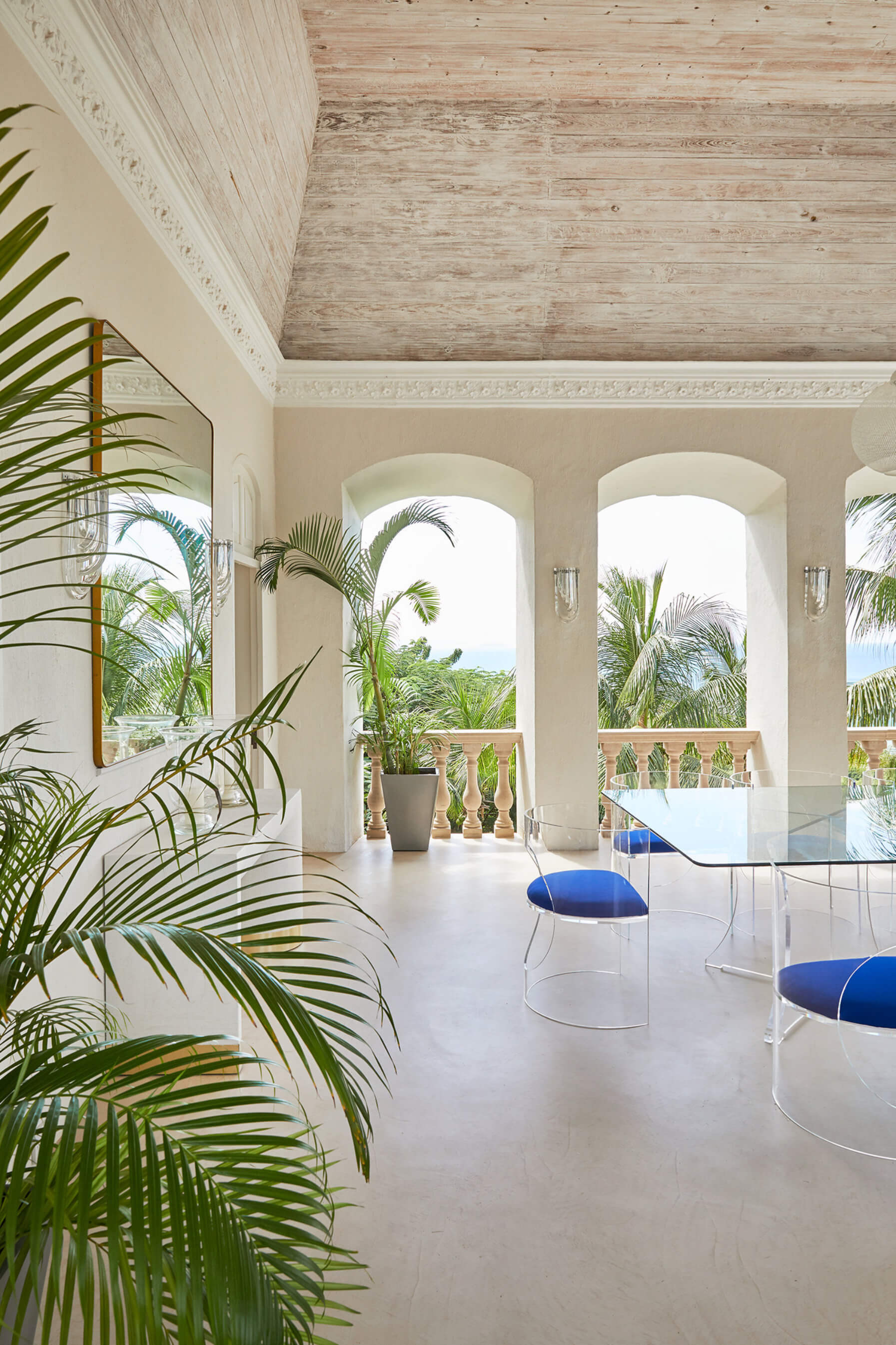
in French plantation style with shaded verandahs and open living spaces
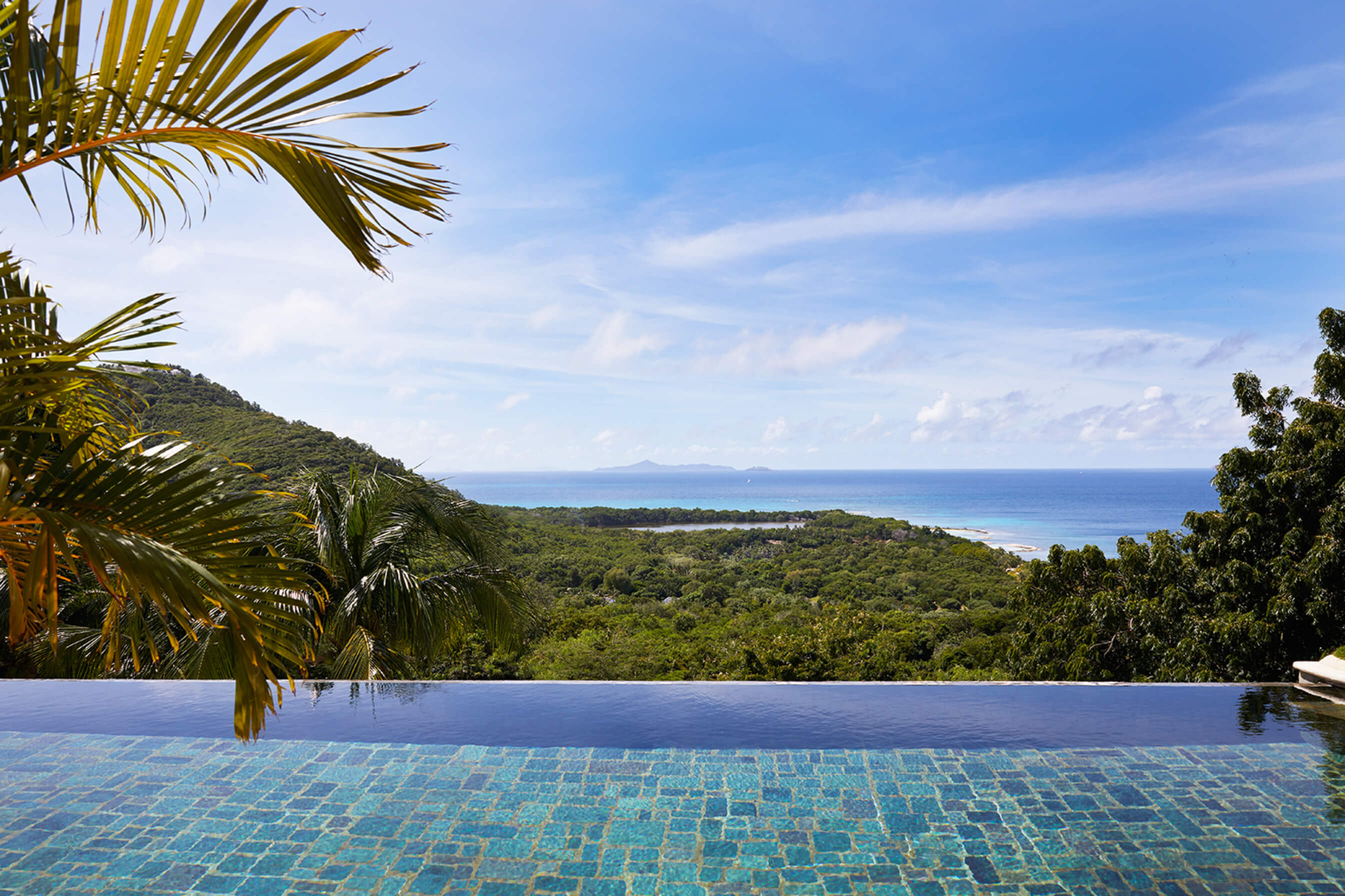
that are cleverly cooled by the trade winds. It is situated in the
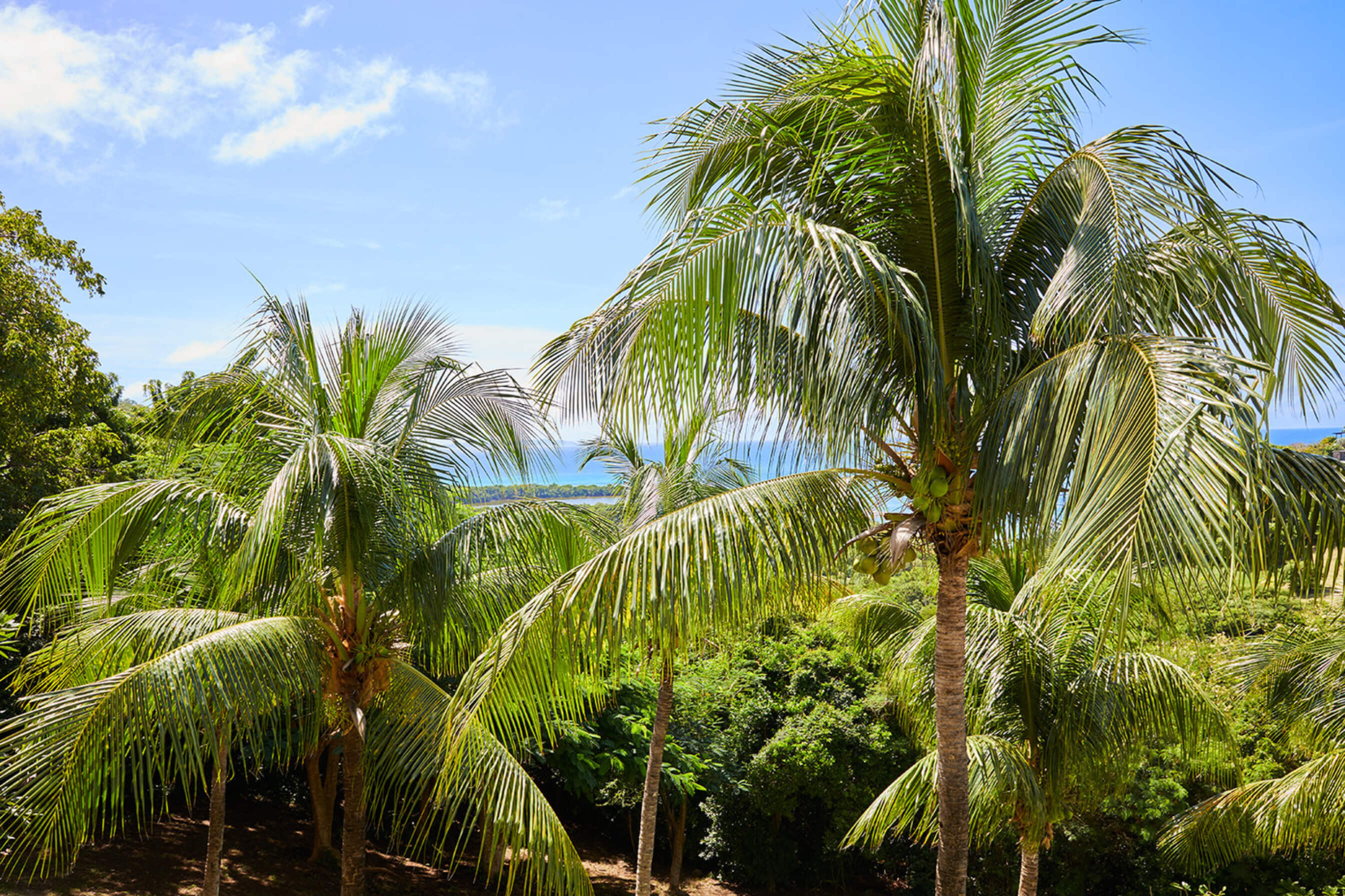
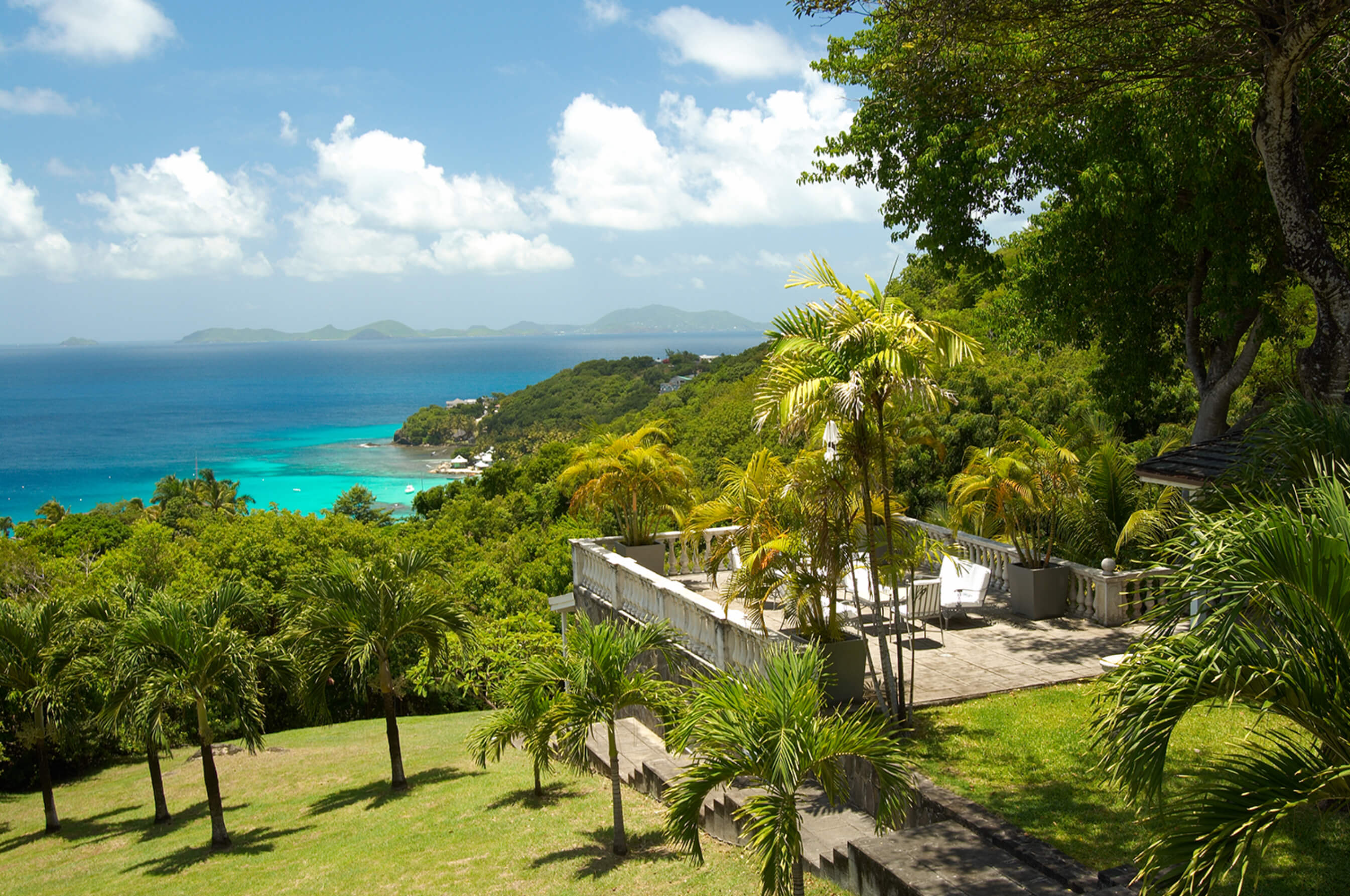
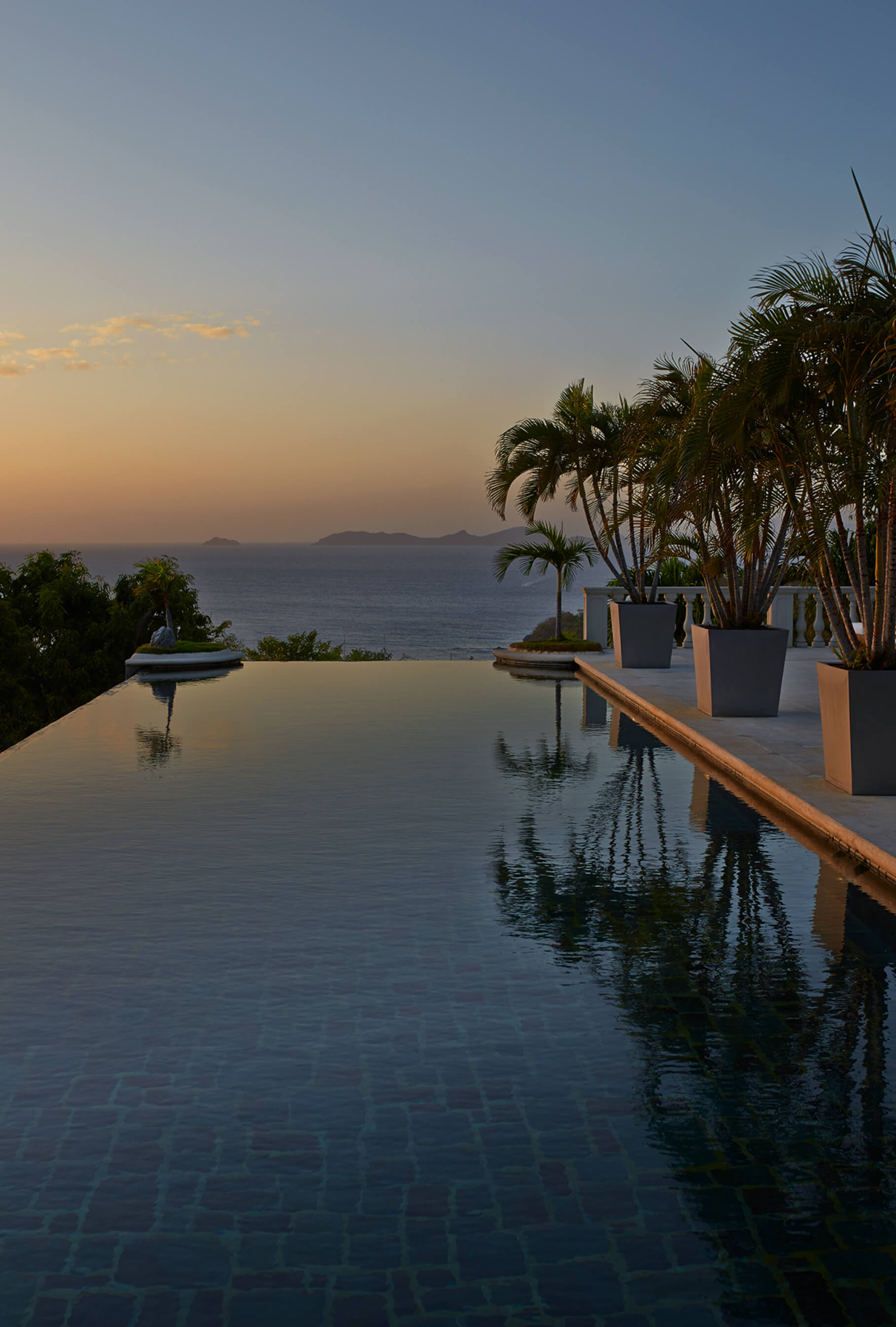
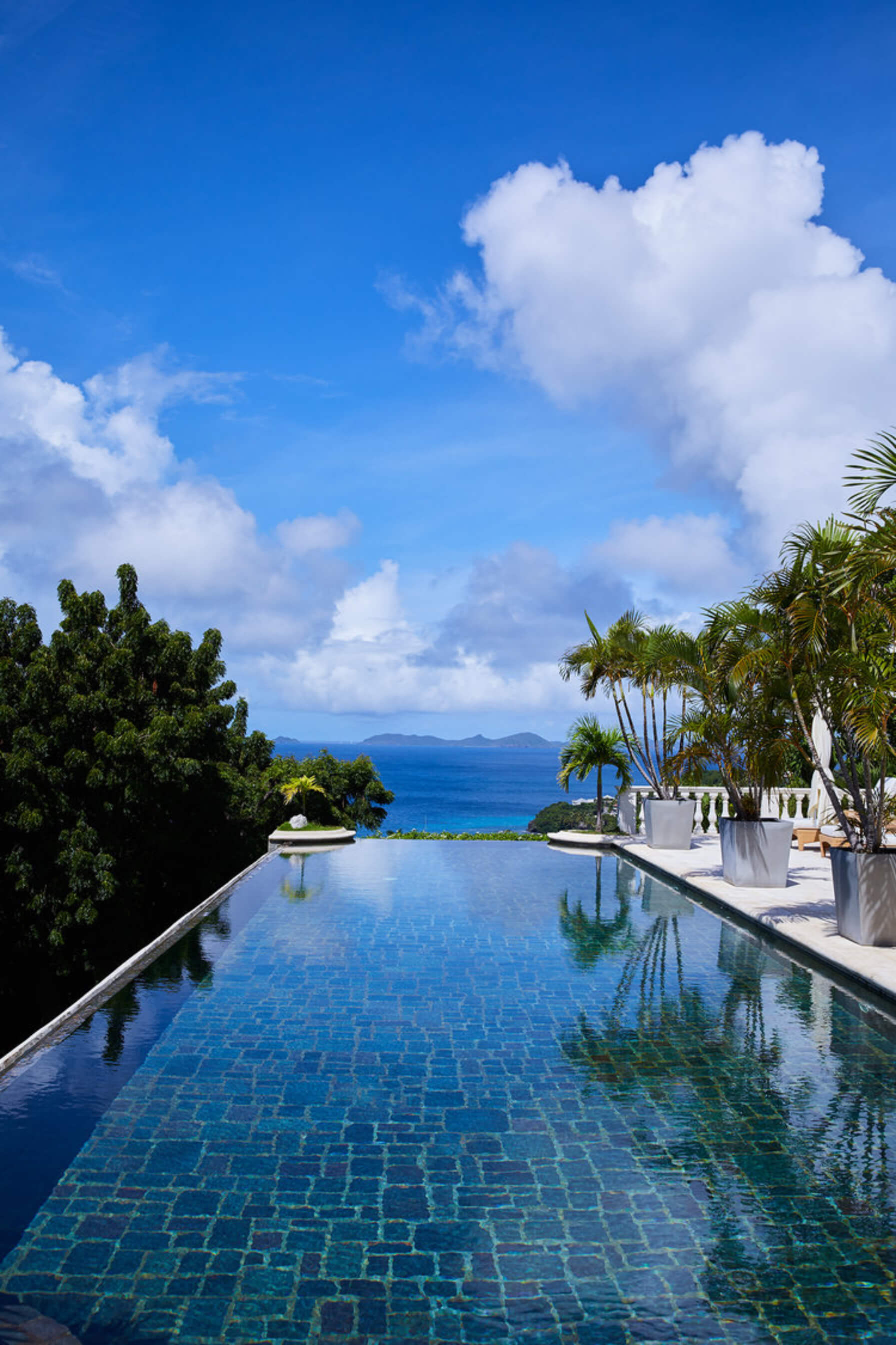
hills on Mustique's west side with spectacular sea views to Bequia and
the Grenadines. Set in seven acres of beautiful tropical gardens.
Nowhere
in Mustique is more than a 5 minute drive away including numerous
stunning beaches- there are two 4-wheel drive buggies included.
An ideal layout, wonderful features
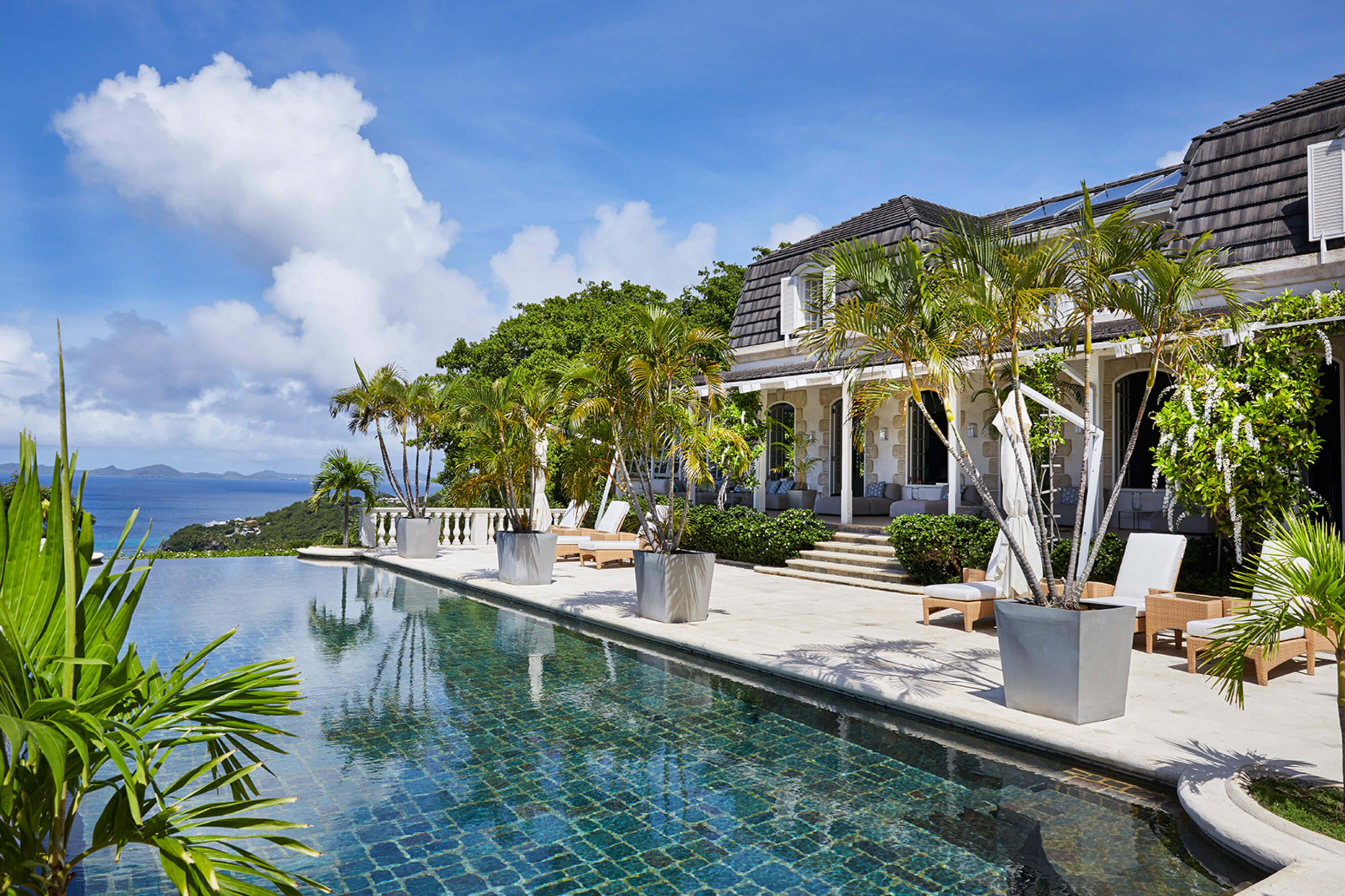
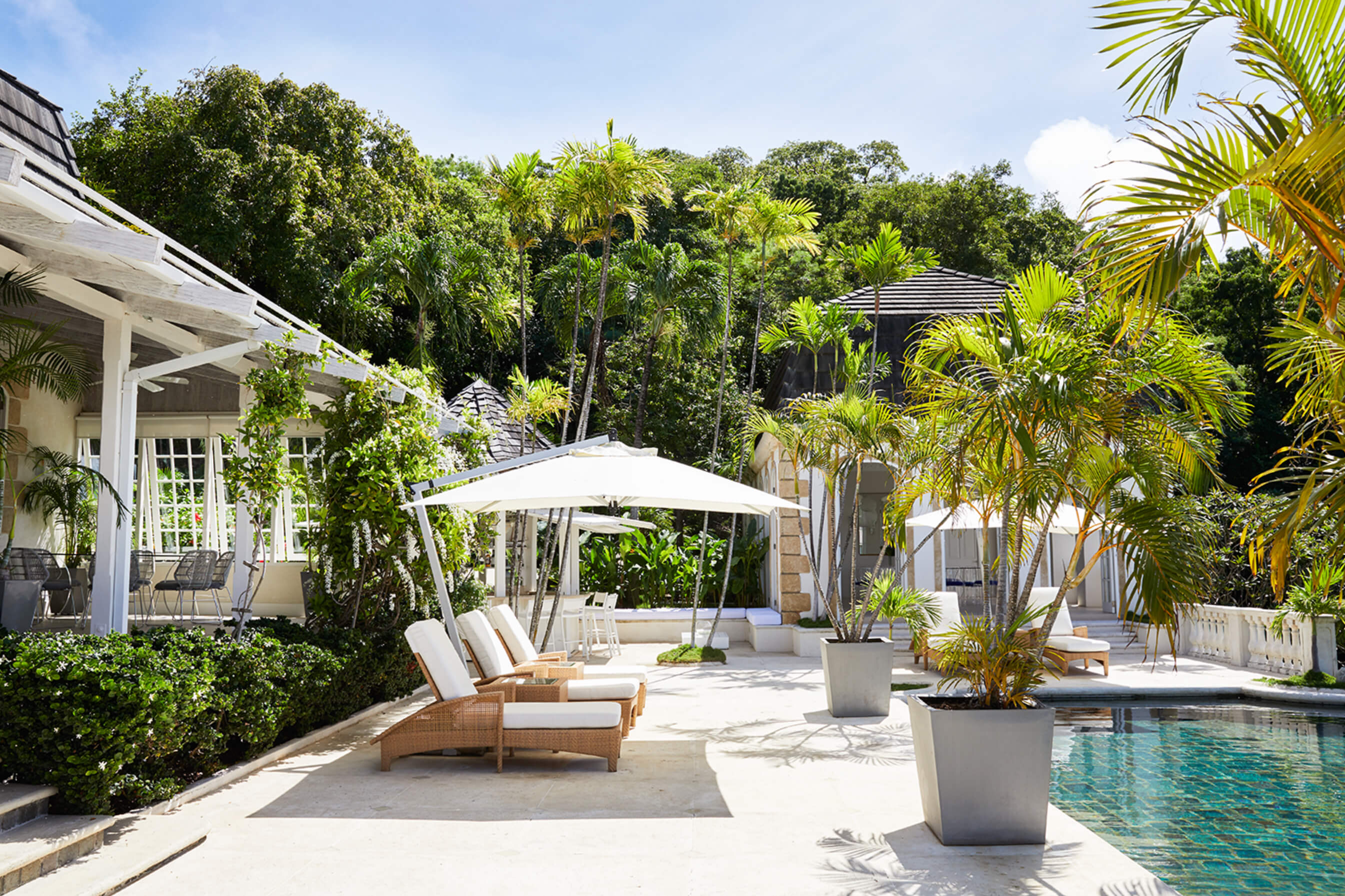
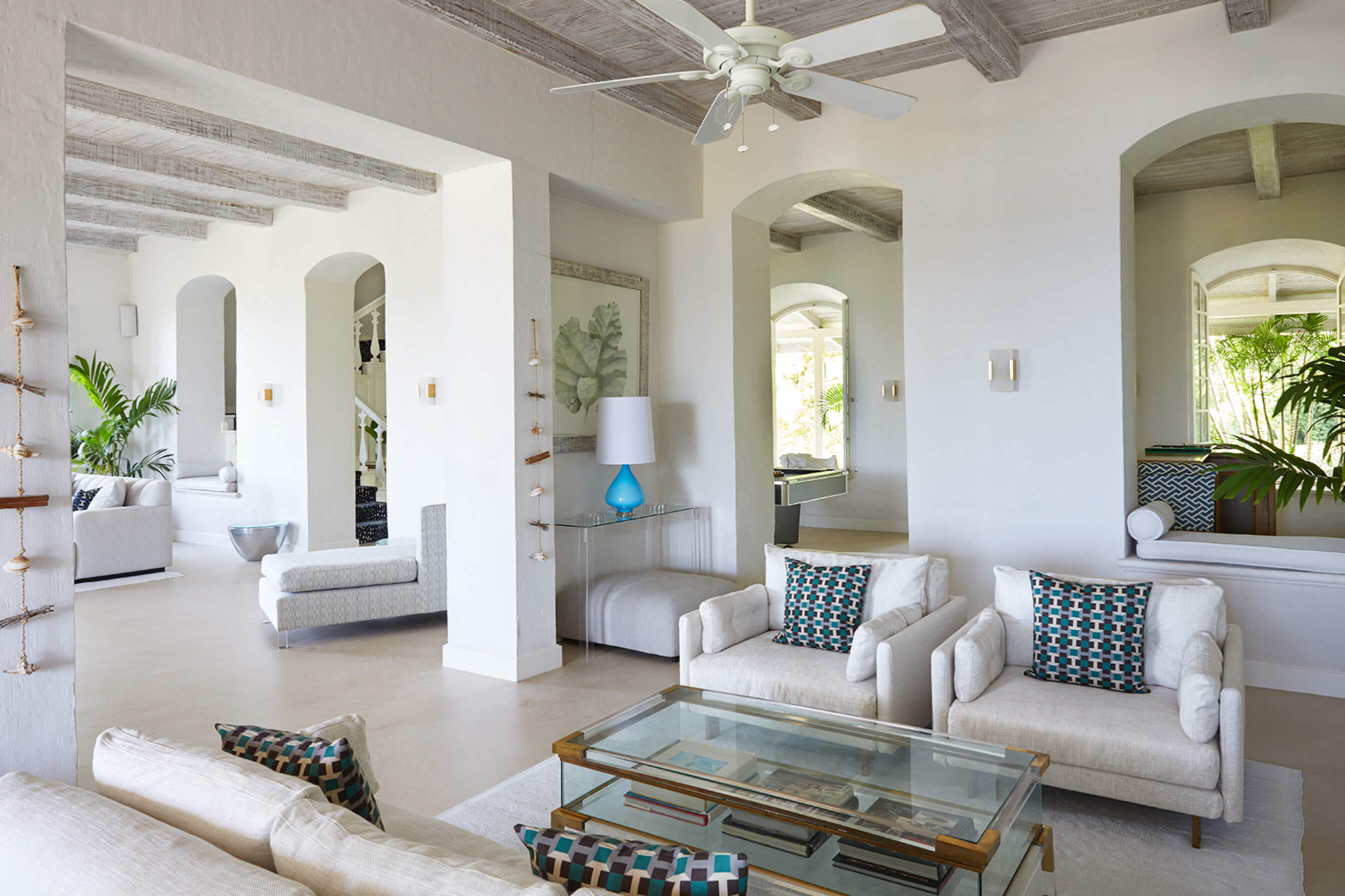
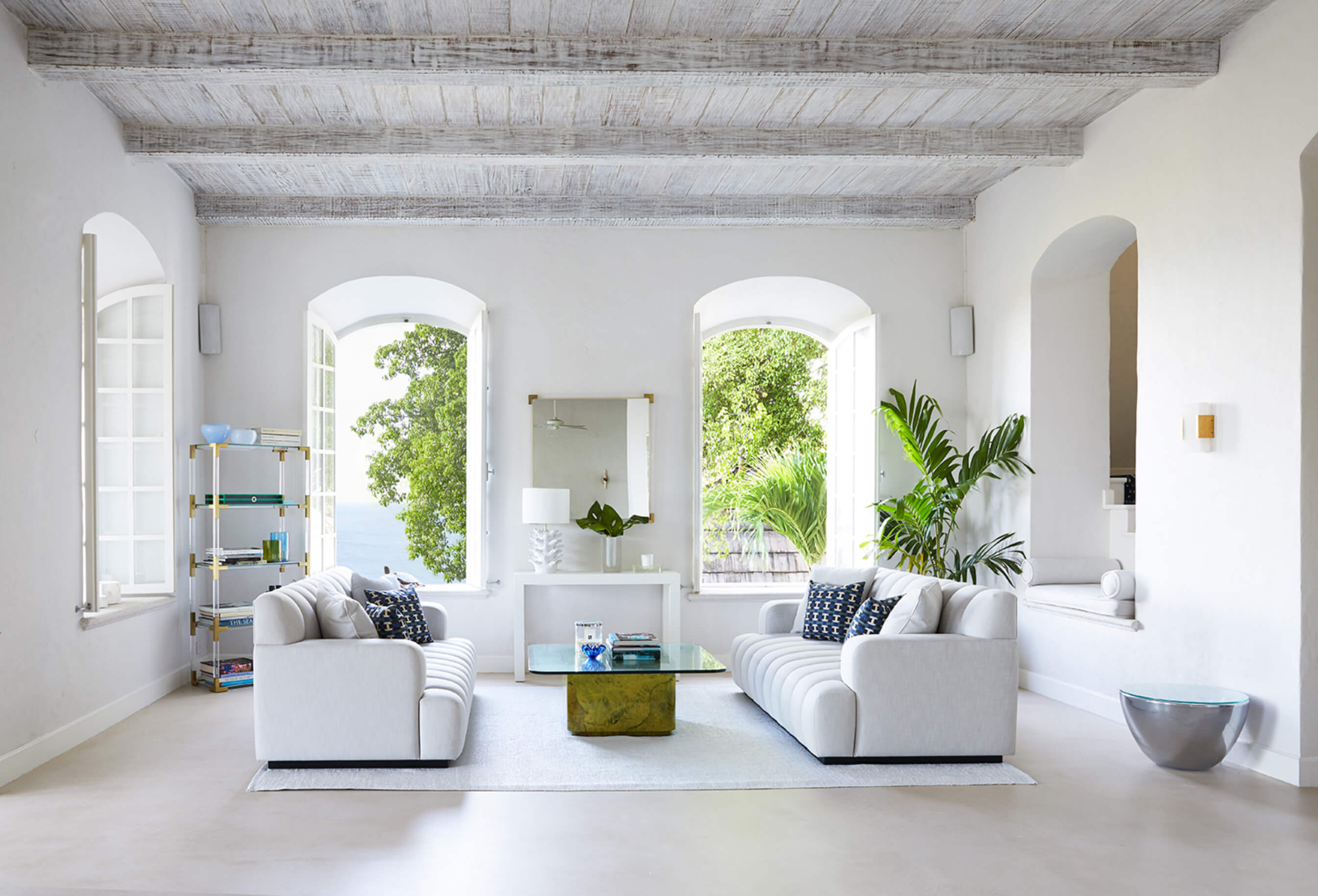
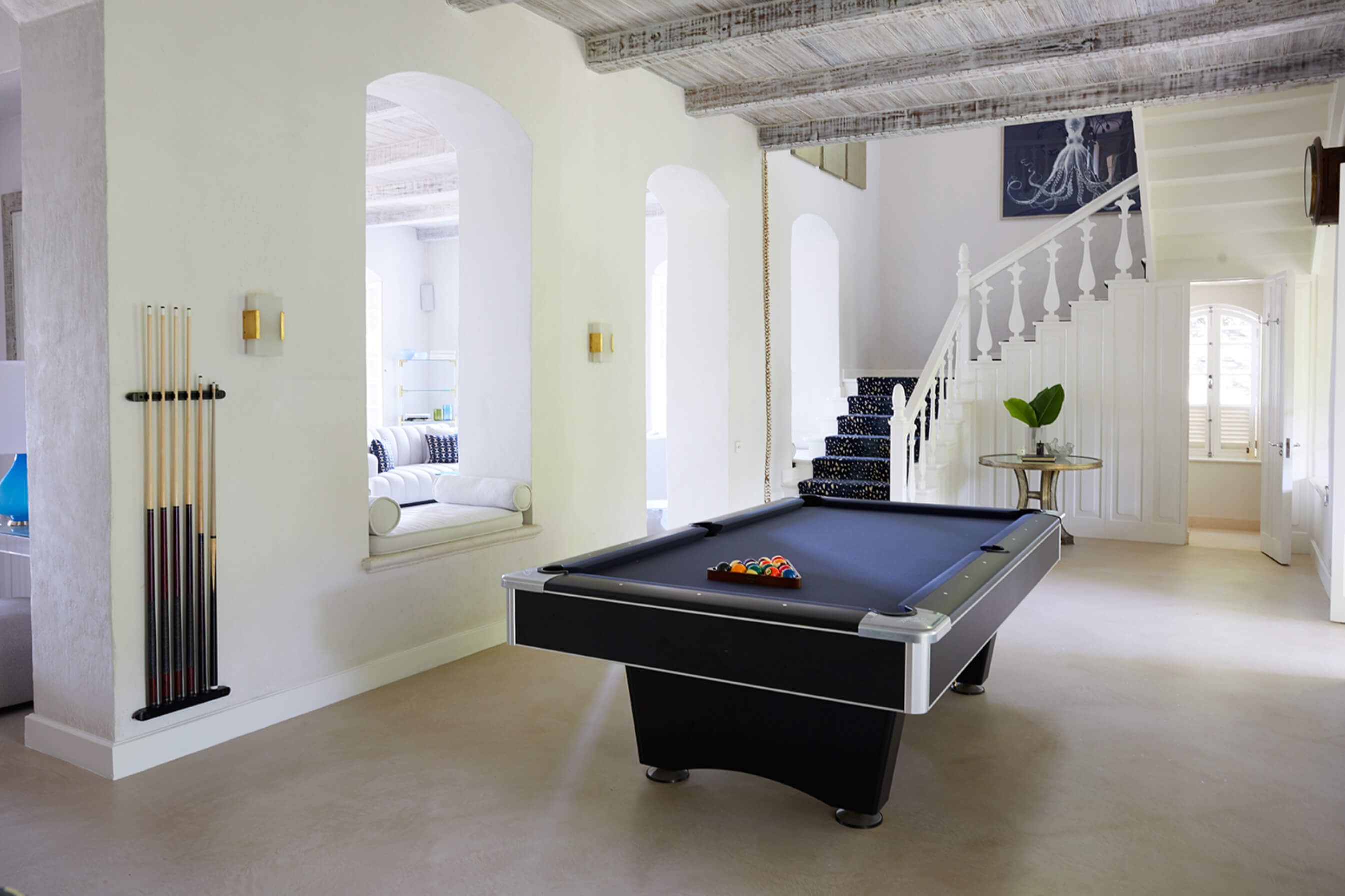
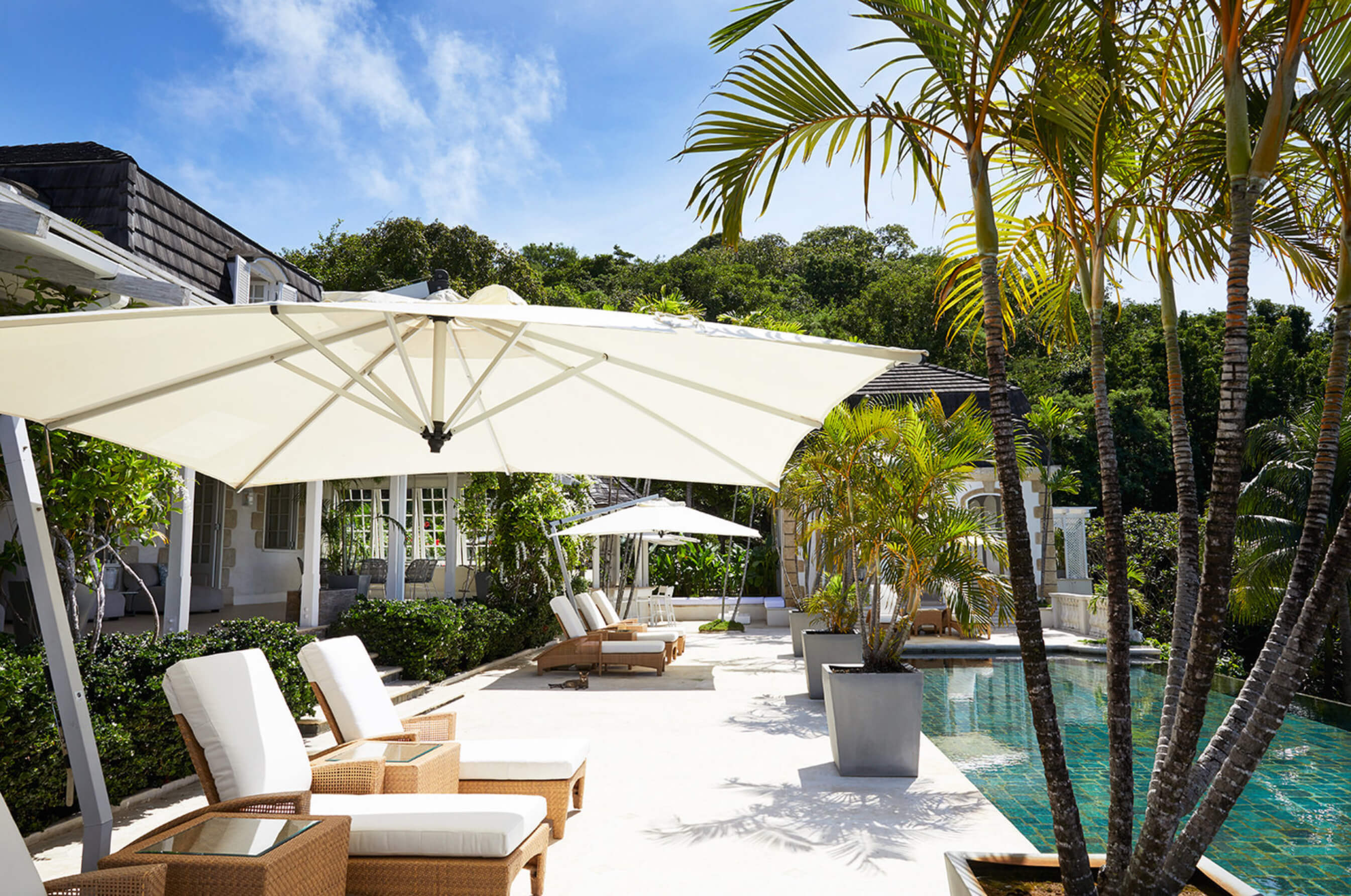
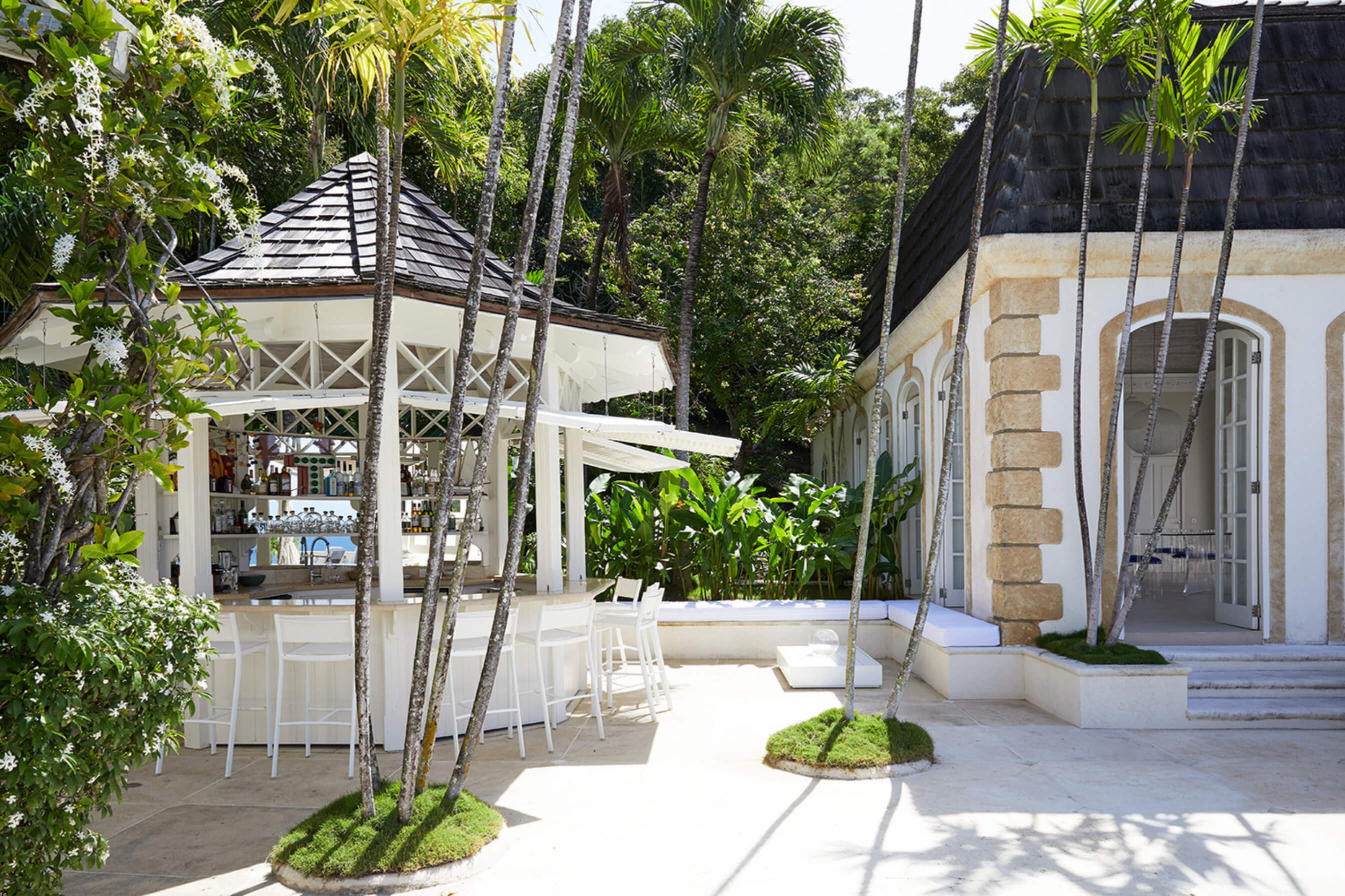
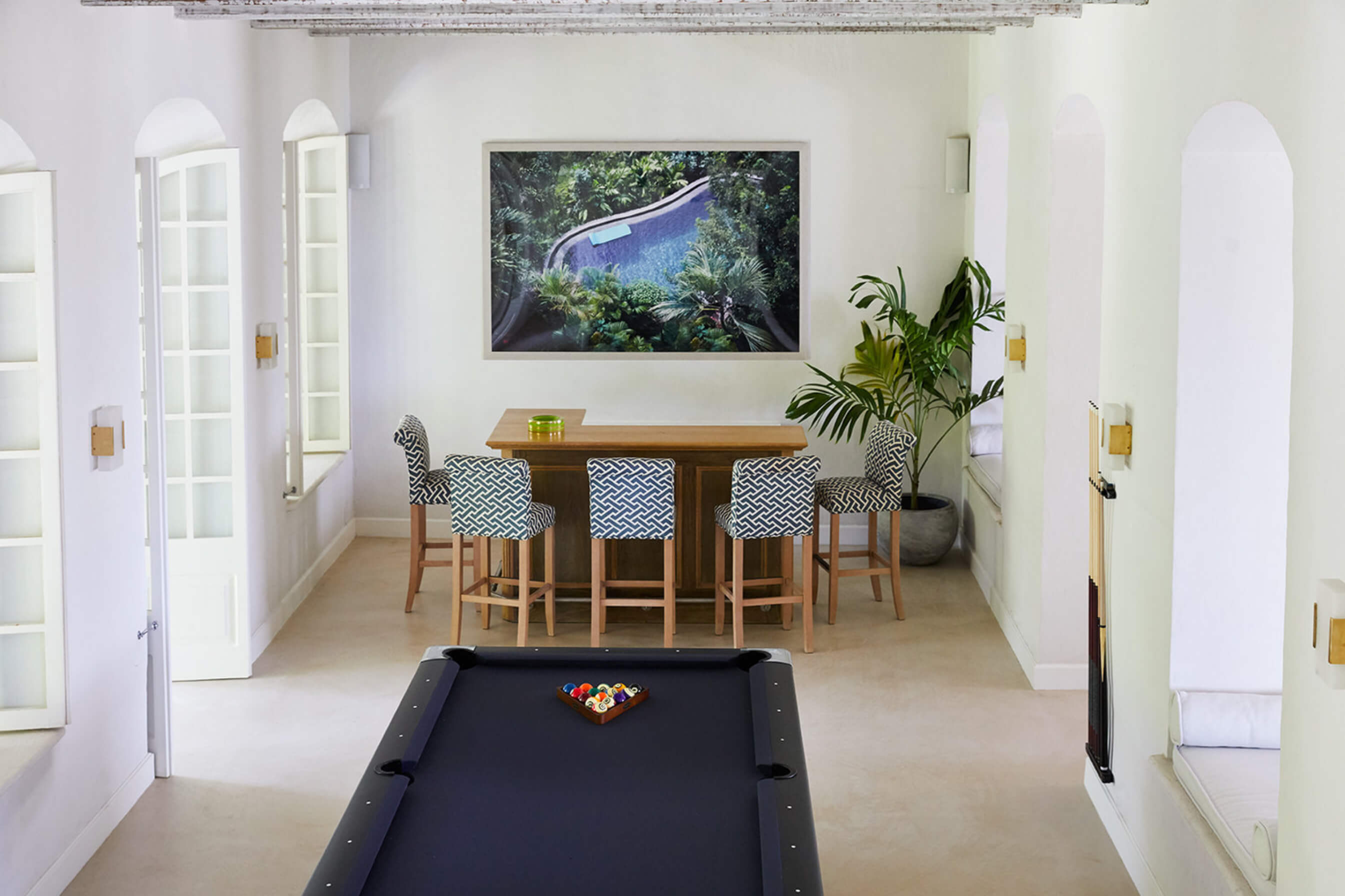
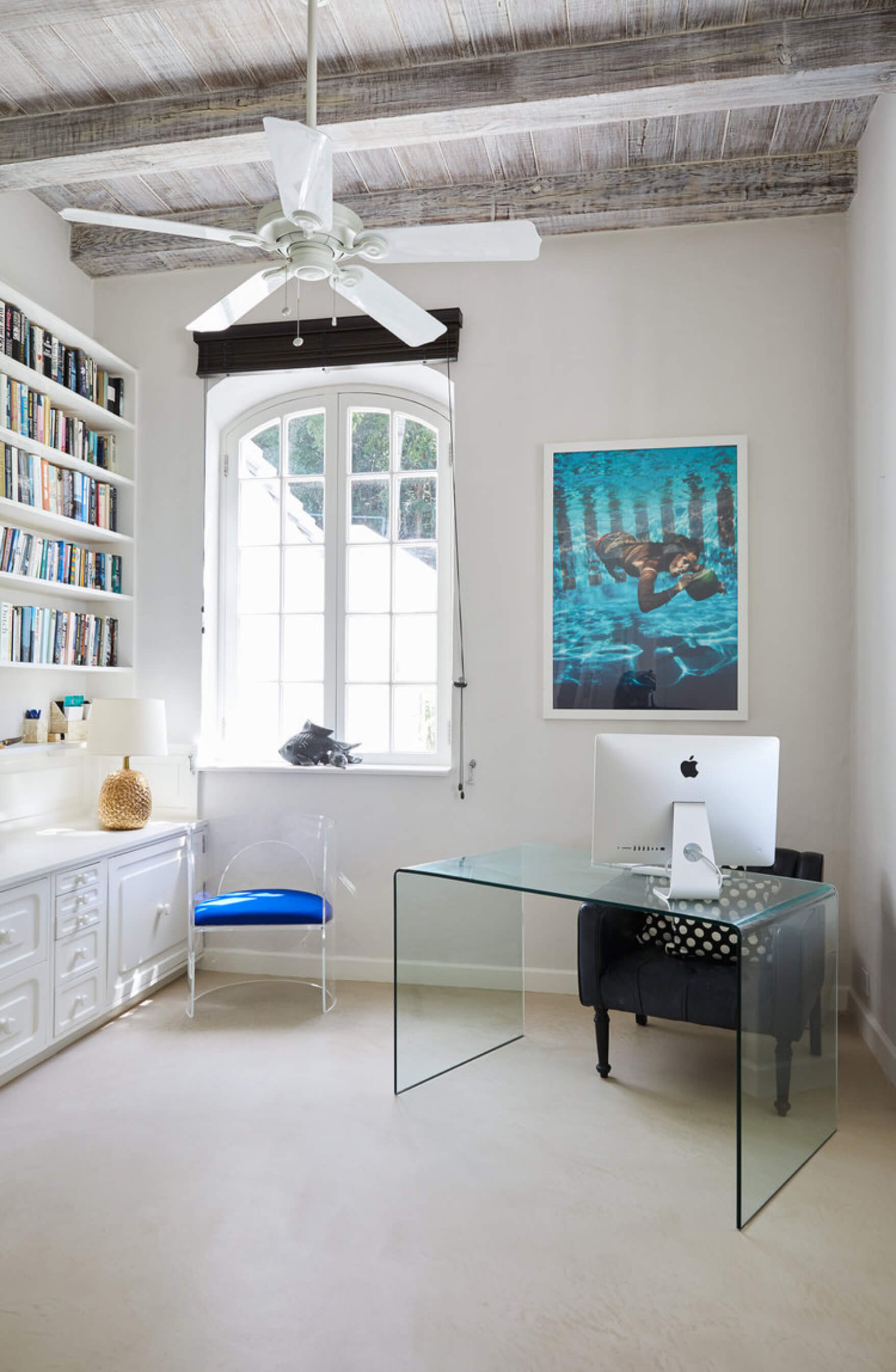
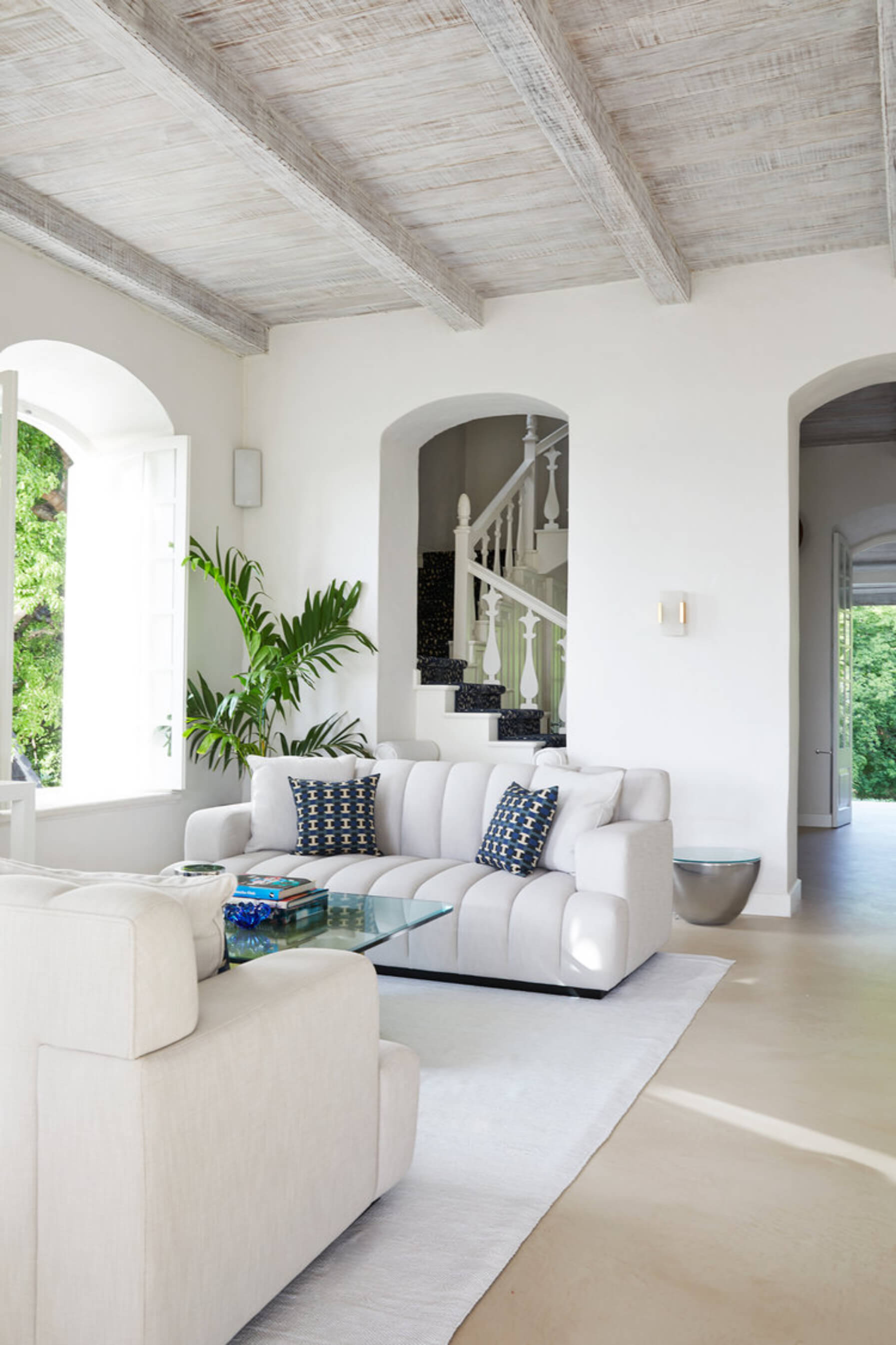
Carissa has numerous lounge areas in which to relax, along with a breakfast area, dining pavilion and large shaded verandahs to accompany the stunning, saltwater infinity pool. This beautiful Mustique vacation base also has a fully equipped office/library, and a pool snooker room with bar.
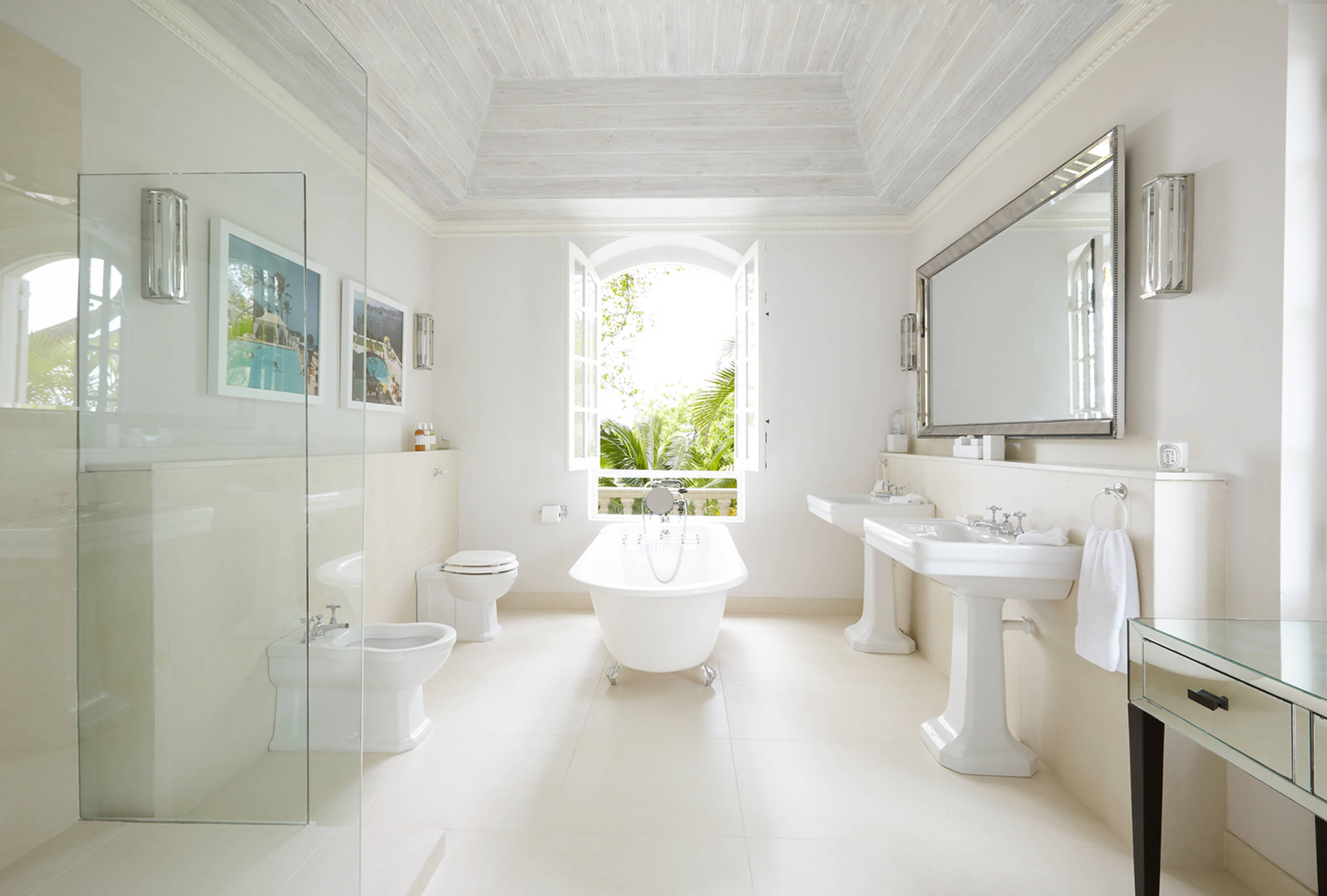
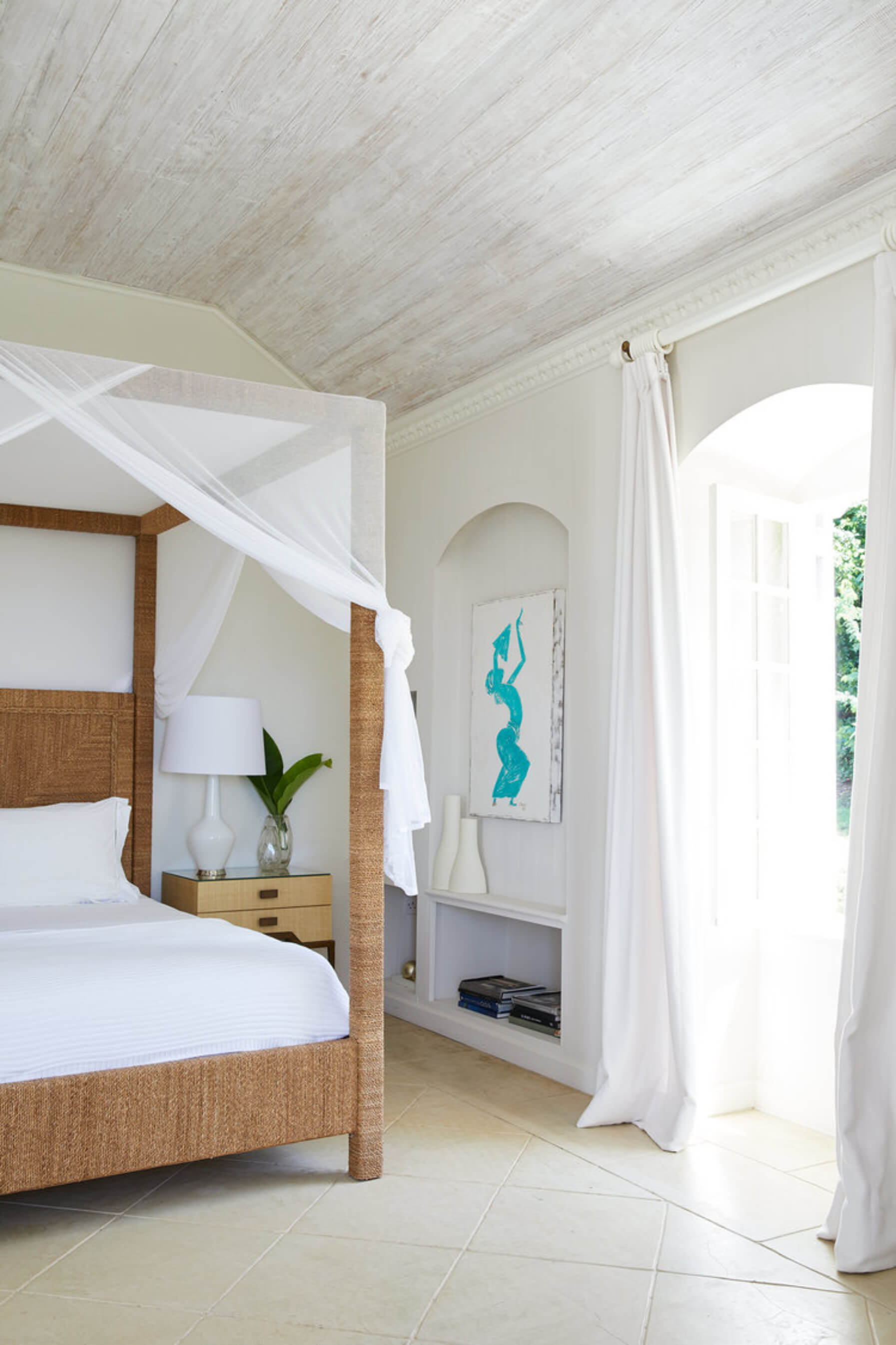
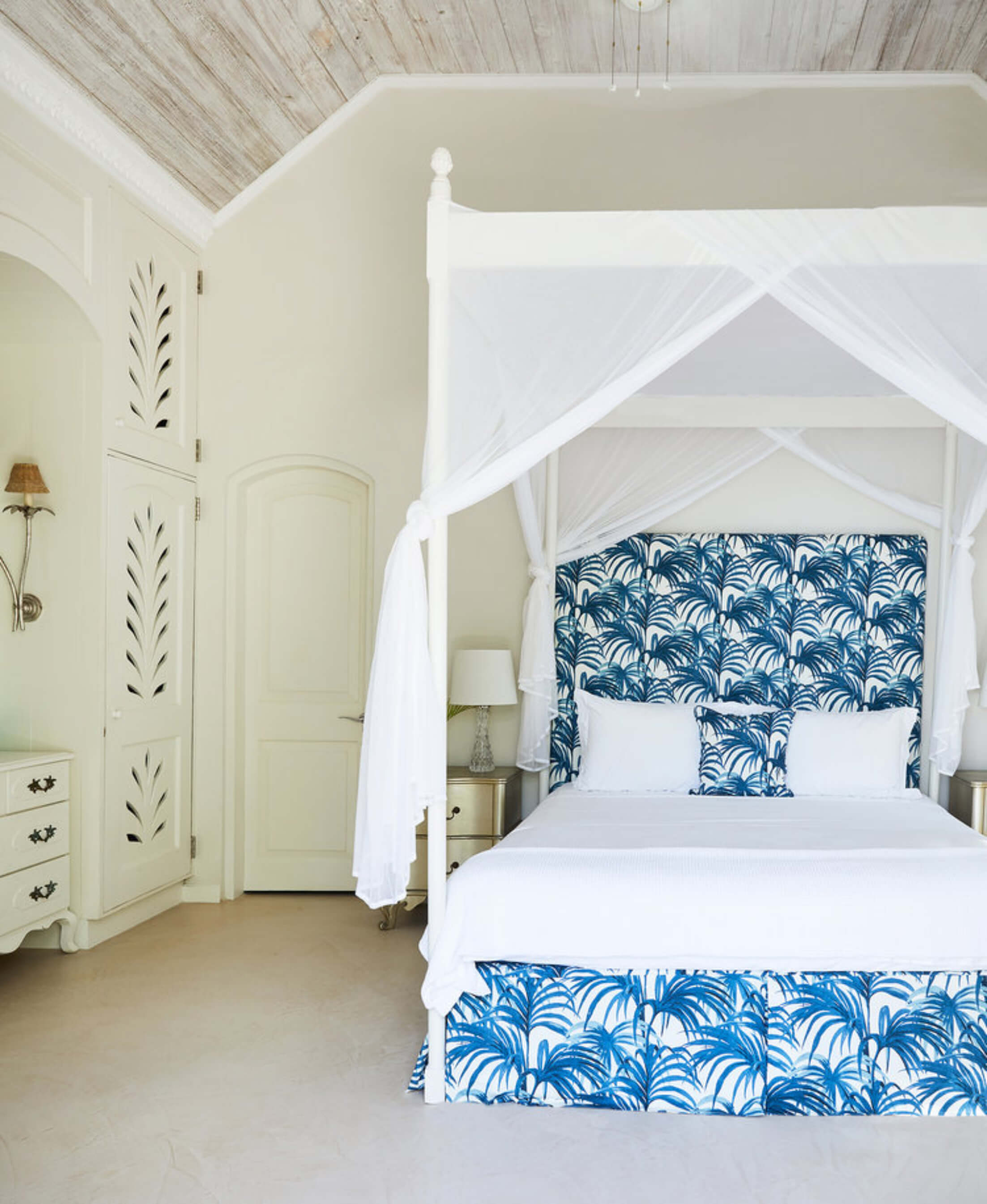
Five fabulous bedrooms
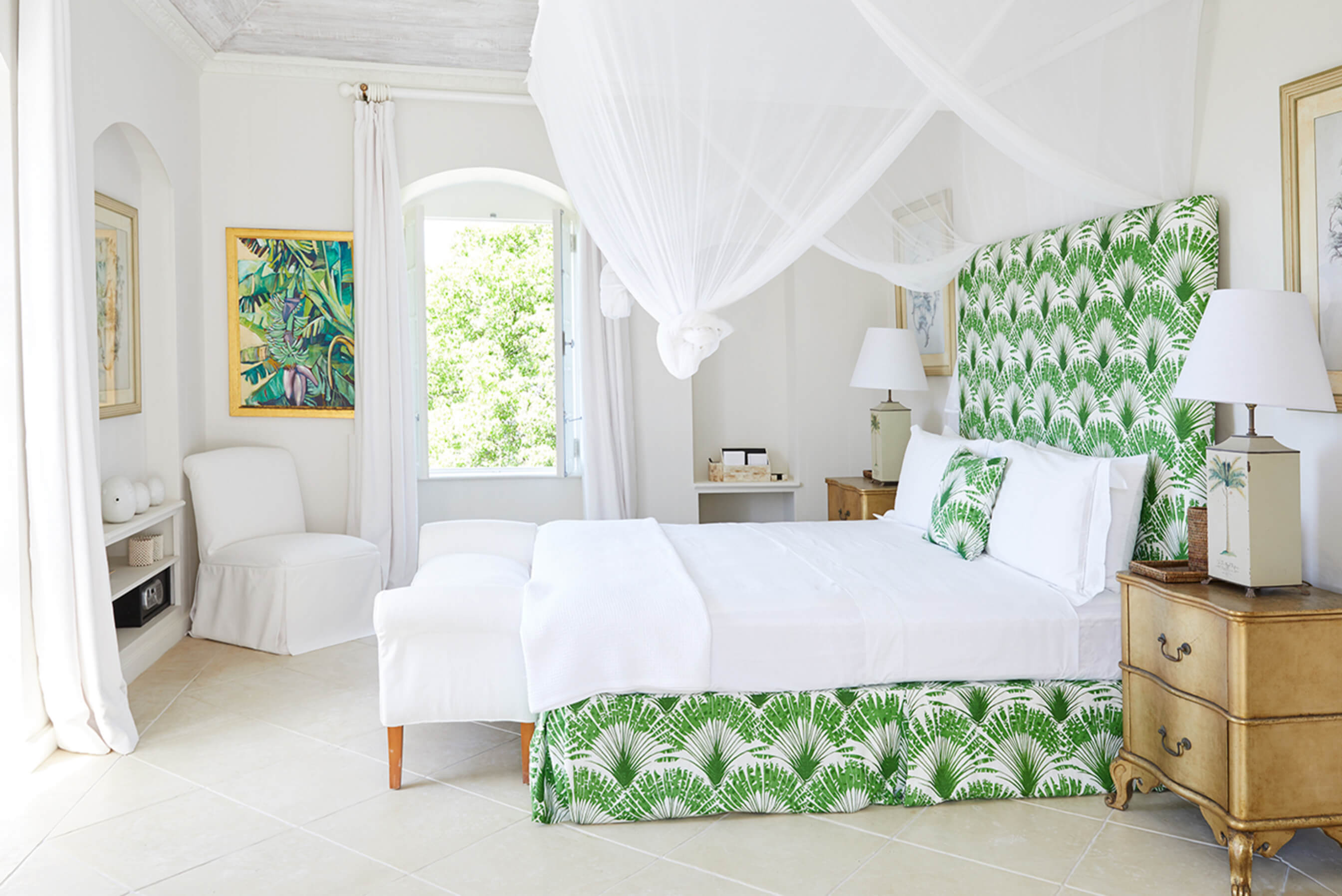
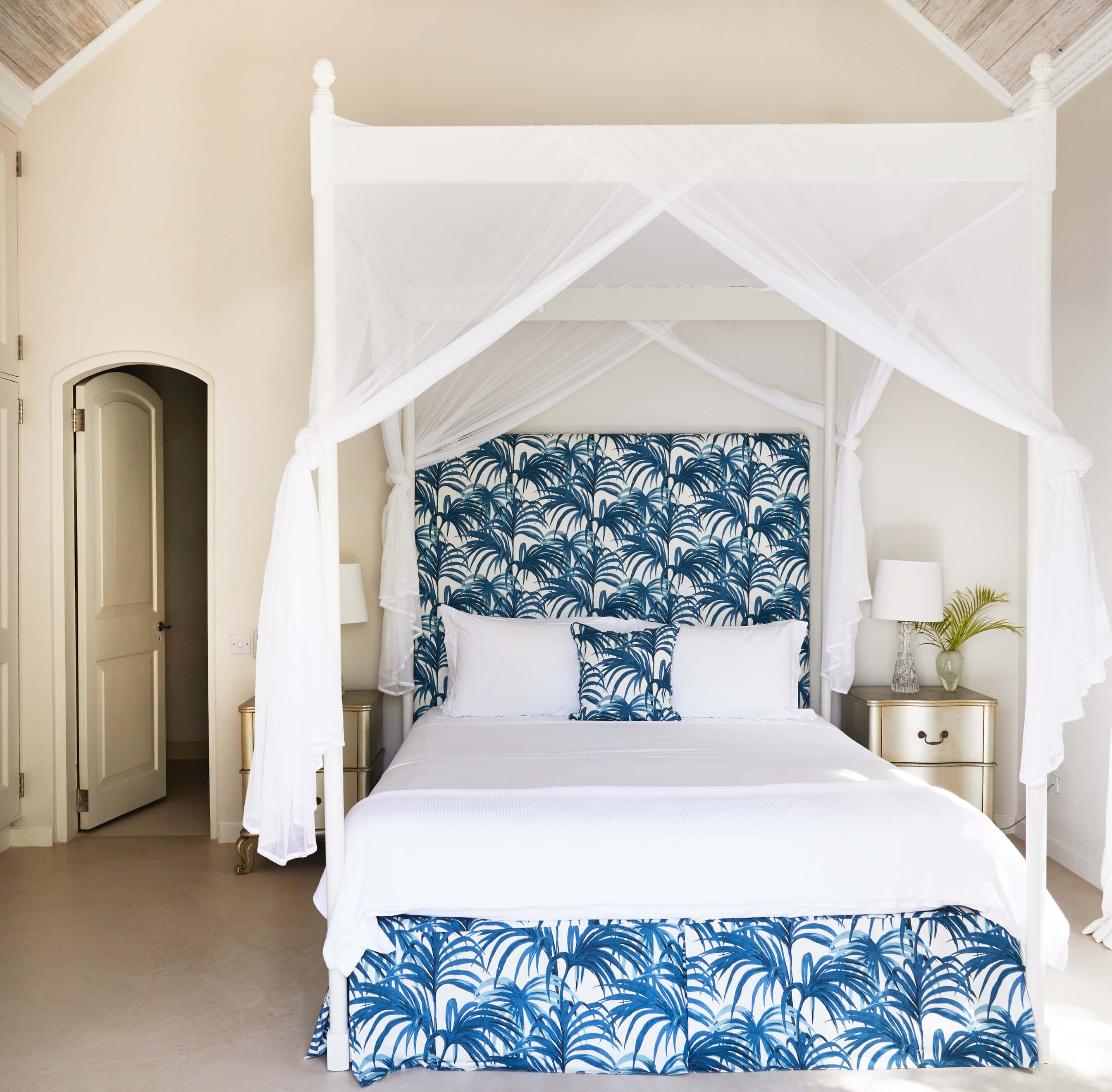
The villa has five
en-suite air-conditioned bedrooms, two of which are situated in
separate pavillions. There is a sixth en-suite bedroom which is a kids
bunkroom (sleeps 6). This can be converted easily into an extra
double bedroom. Entertainment
wise, Carissa has cable TV, dvd player and stereo system. There is also
both a video and a music library, and internet for guest use.
The
kitchen is extremely well equipped, including dishwasher, microwave,
refrigerator with ice maker and all cooking utensils. Catering is also
available upon request.
Staff to look after you in style
Our staff of six, including housemanager, chef, butler and maids will take care of your every need and
requirement. From small intimate dinners by the pool, on the beach or
in the dining pavilion through to involving yourself in Mustique's
social scene and throwing large dinners/ cocktail parties.
The Beaches
Macaroni Beach is perhaps the most
famous of Mustique's nine beaches and is situated on the east coast of
the island. Other popular beaches on the Atlantic or Caribbean are
Endeavour, Lagoon, L'Ansecoy, Pasture Bay and Simplicity, several have
picnic hut facilities. Some beaches are connected along the coastline
by rustic stone paths.
Mustique Services
Complimentary to the villa are
an invitation to the Managing Directors cocktail party,
airport
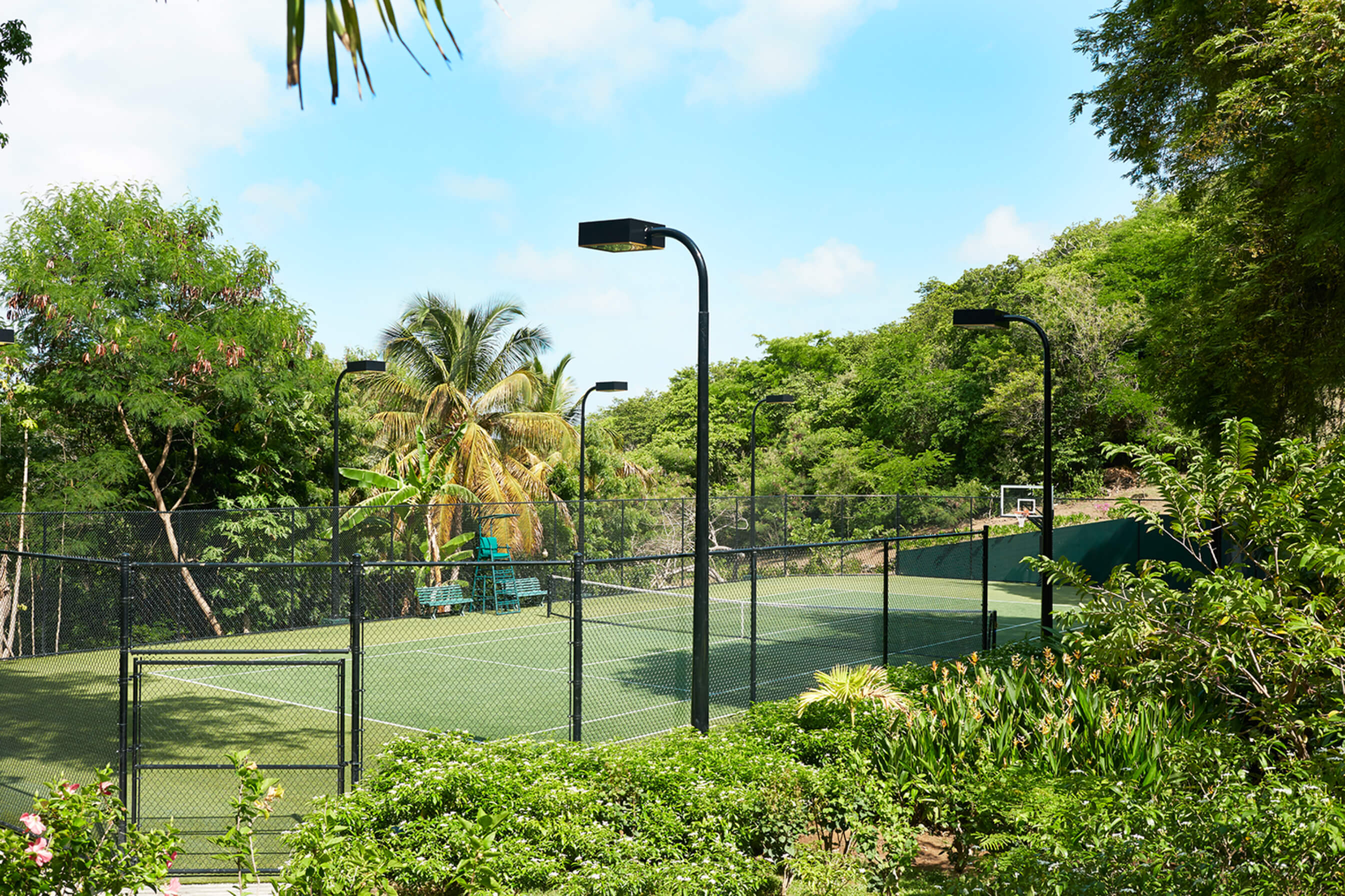
pick-up and transfer to the villa, use of 4 floodlit tennis courts, a
vehicle, access to a fitness trail, household staff (cook, maid &
gardener) and a laundry service.
Horse Riding on Mustique
The Equestrian Centre on Mustique offers the unique opportunity to
ride along this unspoilt coastline and lush island landscape at only
100 USD per hour. The centre is open from Monday to Friday and rides
are scheduled at 9.30am and 3.30pm.
Mustique
The
isle of Mustique is privately owned and its constant warm climate and
unspoilt landscape makes it unique and extremely desirable. Discreetly
maintained by The Mustique Company a maximum of 100 residential
properties may exist although there are currently only 72 in existence.
The roads are unpaved, there are few of them, little signage exists and
all the telephone and power cables are underground. In essence Mustique
has been developed in reverse, the properties are sophisticated whilst
the landscape is unspoilt and serene.
English is the most common language spoken
but due to the international scope of the islands guests French,
Italian, German and Dutch are often spoken.
Mustique Visitors
Covering 1,4000 acres Mustique has several coral reefs at its waters edge and plays host to a variety of beautiful wildlife such as herons, tortoises, iguanas and a wide variety of tropical birds. The year round population of around 500 live mostly in the villages of Lovell, Britannia Bay and Dover. General history of the island dates back to the 15th century when Spanish sailors named the island 'Los Pajaros' or 'The Birds' as the islands resembled a flock of birds settling on the ocean. Originally the islands main export was sugar cane but this was eventually abandoned in the 19th century when sugar was sourced from European-grown sugar beet. Remains of the sugar cane industry such as the 'Cotton House' and sugar mill at Endeavour are the last physical traces of the islands historical past.